When a Door Closes but Does Not Latch: Six Causes
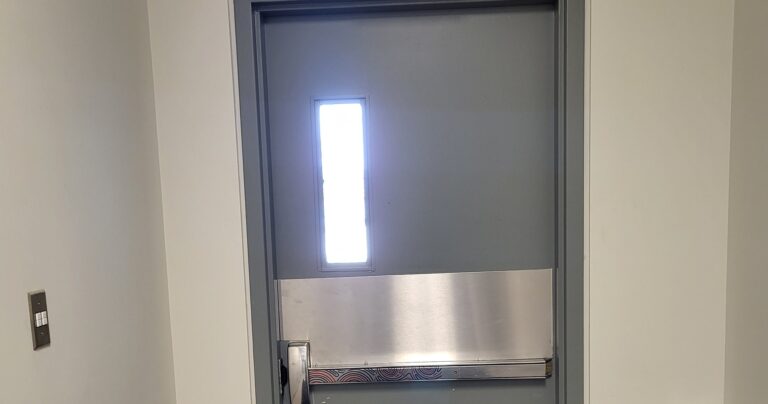
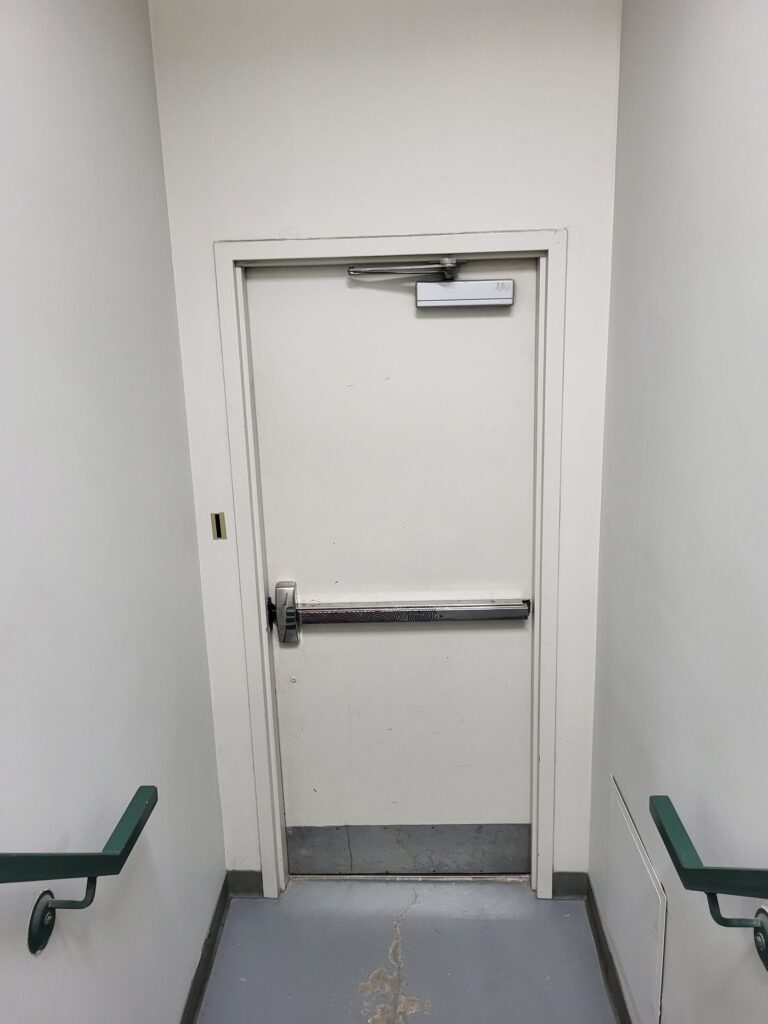
A door that closes but does not latch is the single most common fire door failure we find, and it is also the hardest for a building manager to spot — because a door resting against its frame looks exactly like a door that is shut.
It is not shut. On a fire door, closing without latching is not closing at all. The latch bolt is what holds the leaf against the pressure difference a fire creates, and without it the door will be pushed open at the one moment it is needed.
How to test it in ten seconds
Open the door fully, let go, and let the closer do its work without touching it. Then, without turning the handle or pressing the bar, pull the door towards you.
If it moves, it was not latched. That is the whole test, it needs no tools, and it is one of the checks an inspector performs on every rated opening.
Do it from the open position, not from nearly shut. A door given a helpful push will latch when it would not have latched on its own, and the closer has to do it unaided.
Why it happens
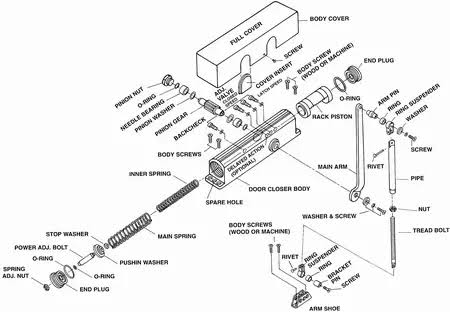
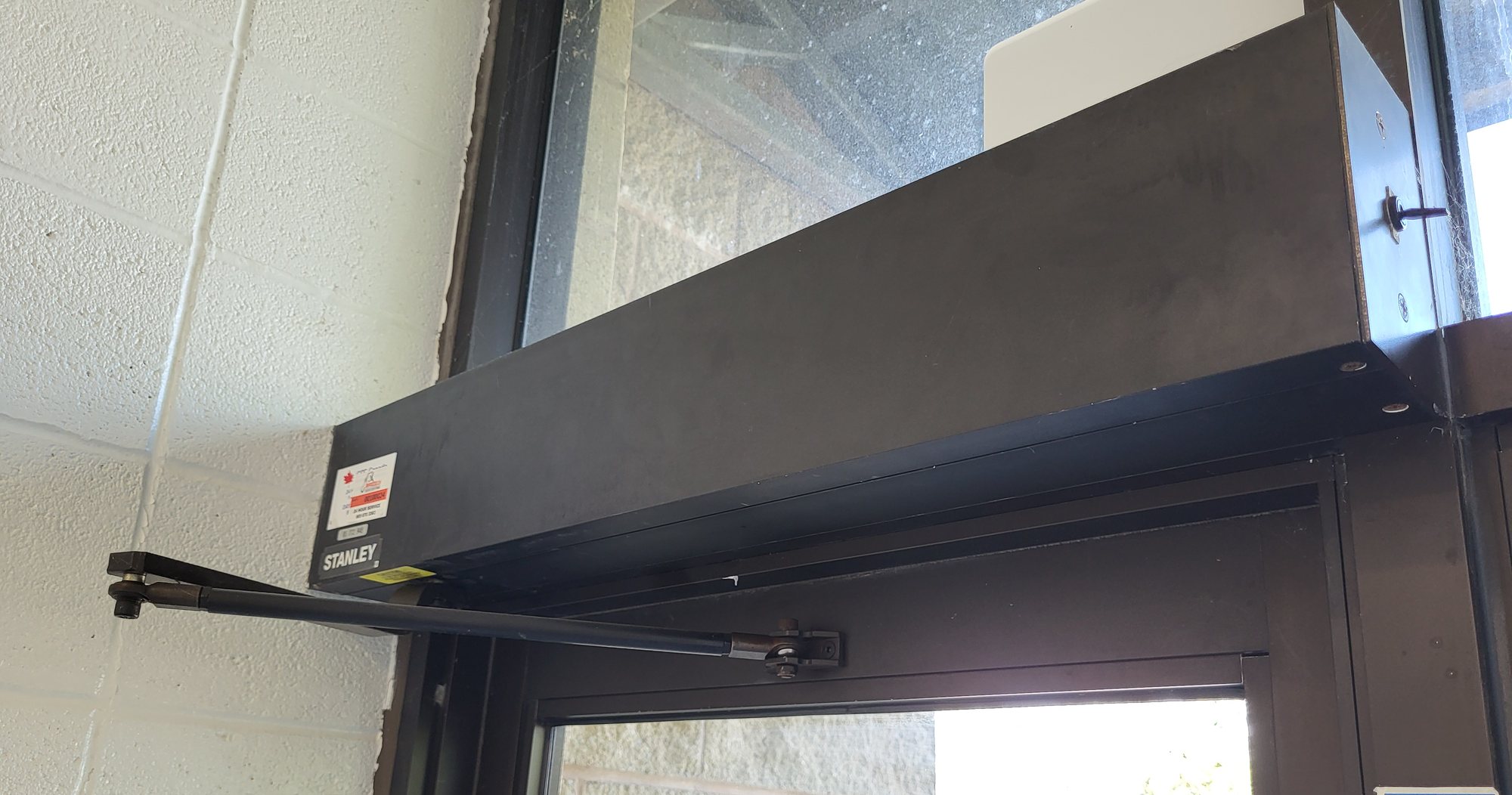
The closer has been wound down. The most common cause by a distance. Someone complained the door was too heavy, the latch valve was backed off, and the door now arrives at the frame without enough energy to drive the bolt home. It is a sensible adjustment that creates a serious fault, which is why it is usually made by someone who had no idea.
The closer is leaking. Hydraulic fluid on the door face or the floor beneath means the seals have gone and the unit can no longer control the door at all. A leaking closer cannot be topped up — it is a sealed unit and the body gets replaced.
The hinges have sagged. The leaf drops, the latch no longer lines up with the keeper, and the bolt hits the strike plate instead of entering it. This one gets reported as a latch problem almost every time.
The strike has moved. Frames shift as buildings settle. A keeper that was aligned at installation can be a few millimeters out years later, which is enough.
The building is fighting the door. HVAC creates pressure differences between floors and zones, and a corridor door can be held off its stop by air alone. This is the cause people find hardest to believe and it is entirely real.
Something is in the way. New flooring, a thicker carpet, a seal that has swollen, a threshold replaced at a different height.
Why the diagnosis matters more than the fix
Every cause above produces the identical symptom. Adjust the wrong one and the door still will not latch — or worse, it latches for a month and then stops, because the actual fault was never touched.
This is also why “we tightened the closer” is not a satisfactory answer. If the closer was wound down to solve a complaint about weight, winding it back up reinstates the complaint. The resolution is usually the right closer for the leaf, with the seals and the air pressure accounted for, rather than a different setting on the wrong one.
Where an opening genuinely cannot be both easy to open and certain to latch, a power operator resolves it properly instead of forcing one of the two to lose. That trade-off is covered on the door closers page.
If you find one
Check the others. A door that fails this test is rarely alone in a building, because the cause is usually something that applies to a whole run of openings — the same contractor, the same era of hardware, the same complaint about weight, the same HVAC zone. And if a door has been held open for a long period, expect this fault when the wedge comes out — nothing has been maintaining a closer that was not being used.
And if the door carries a fire label, it is a failed assembly as it stands. Positive latching is one of the thirteen checks on a fire door inspection, and it is the one openings fail most often.