
Commercial Door Closer Repair & Replacement
Precision valve tuning, hydraulic fluid leak repair, and heavy-duty Grade 1 closer replacements for commercial buildings in Charlotte, NC.
Restoring Safe, Smooth Door Control
The hydraulic door closer is the single most critical piece of operating hardware on any commercial fire door or exterior entrance.
When internal fluid seals leak or closing speed valves drift out of adjustment, doors either slam violently—damaging frames and glass—or fail to pull the door completely closed, creating security breaches and NFPA 80 fire code violations. We adjust, rebuild, and replace commercial closers from major manufacturers including LCN, Norton, Sargent, Yale, and dormakaba.
Closer Types We Service
- Surface-Mounted Closers: Parallel arm, regular arm, and top jamb heavy-duty closers.
- Concealed Overhead Closers: Hidden frame-header closers for aluminum storefront glass doors.
- Floor Concealed Closers: Heavy-duty floor springs for architectural glass and entry doors.
- Electromechanical Hold-Opens: Fire-alarm linked closers for healthcare and school corridors.
Door Closer Faults We Correct
Frequent hydraulic closer issues encountered across commercial and healthcare facilities.
Leaking Hydraulic Oil
Closer Seal FailureOil dripping onto the floor or door leaf indicates blown internal seals. The unit loses pressure control and must be replaced to restore self-closing function.
Slamming or Bouncing Shut
Latch Speed Valve FaultDoor slams heavily into the frame, shaking glass panels or damaging latch bolts. Resolved through precision two-stage valve sweep and latch regulation.
Fails to Pull Latch Closed
NFPA 80 ViolationDoor stops inches before the frame, failing to engage the lock bolt. Corrected via arm shoe adjustments, spring tensioning, or latch valve tuning.
Bent or Detached Arm Assembly
Arm Linkage DamageForced opening or heavy wind gusts stripping main shoe screws or bending joint linkages. We replace damaged arm assemblies on site.
Door Closer Assemblies Serviced
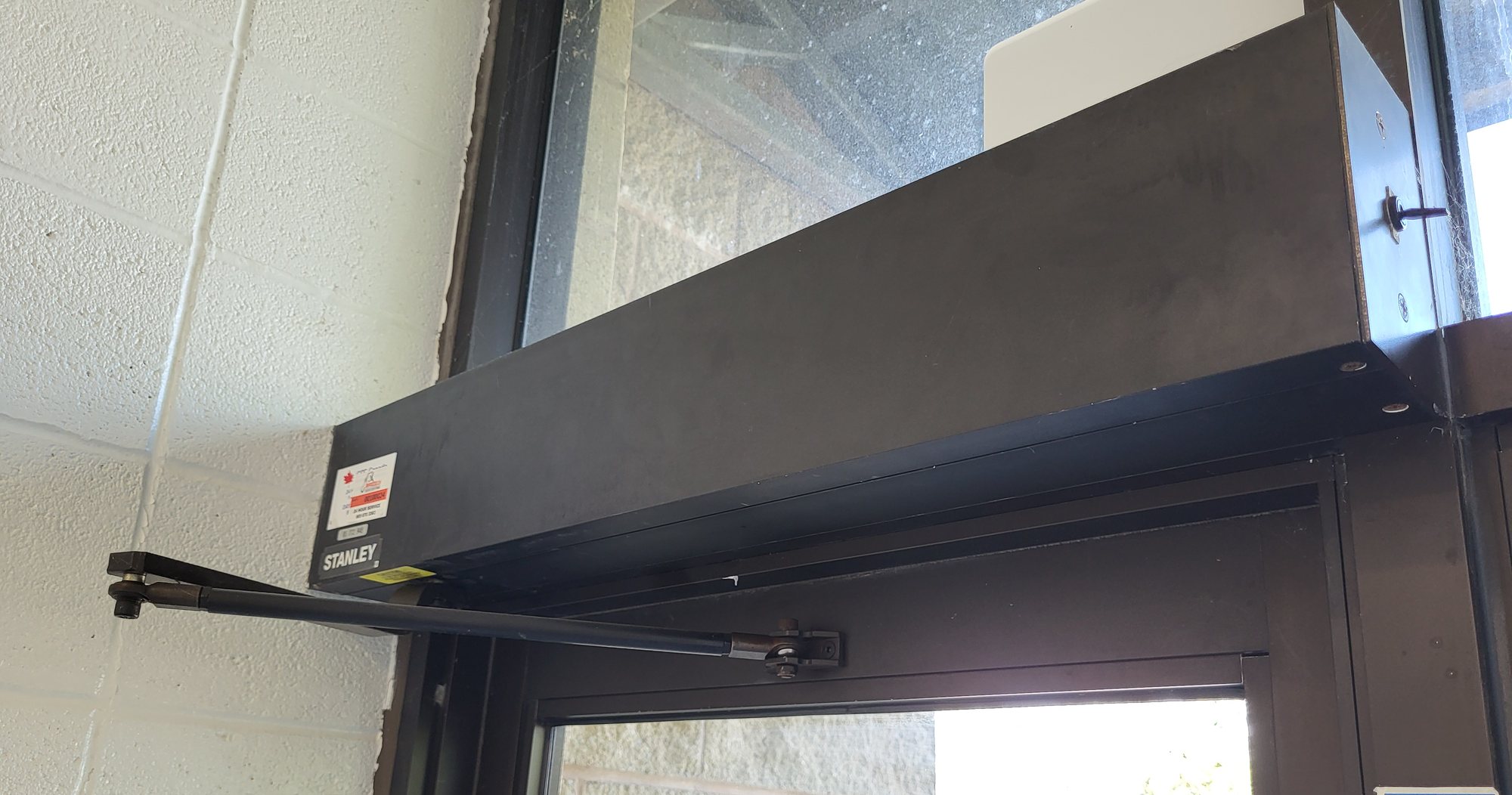
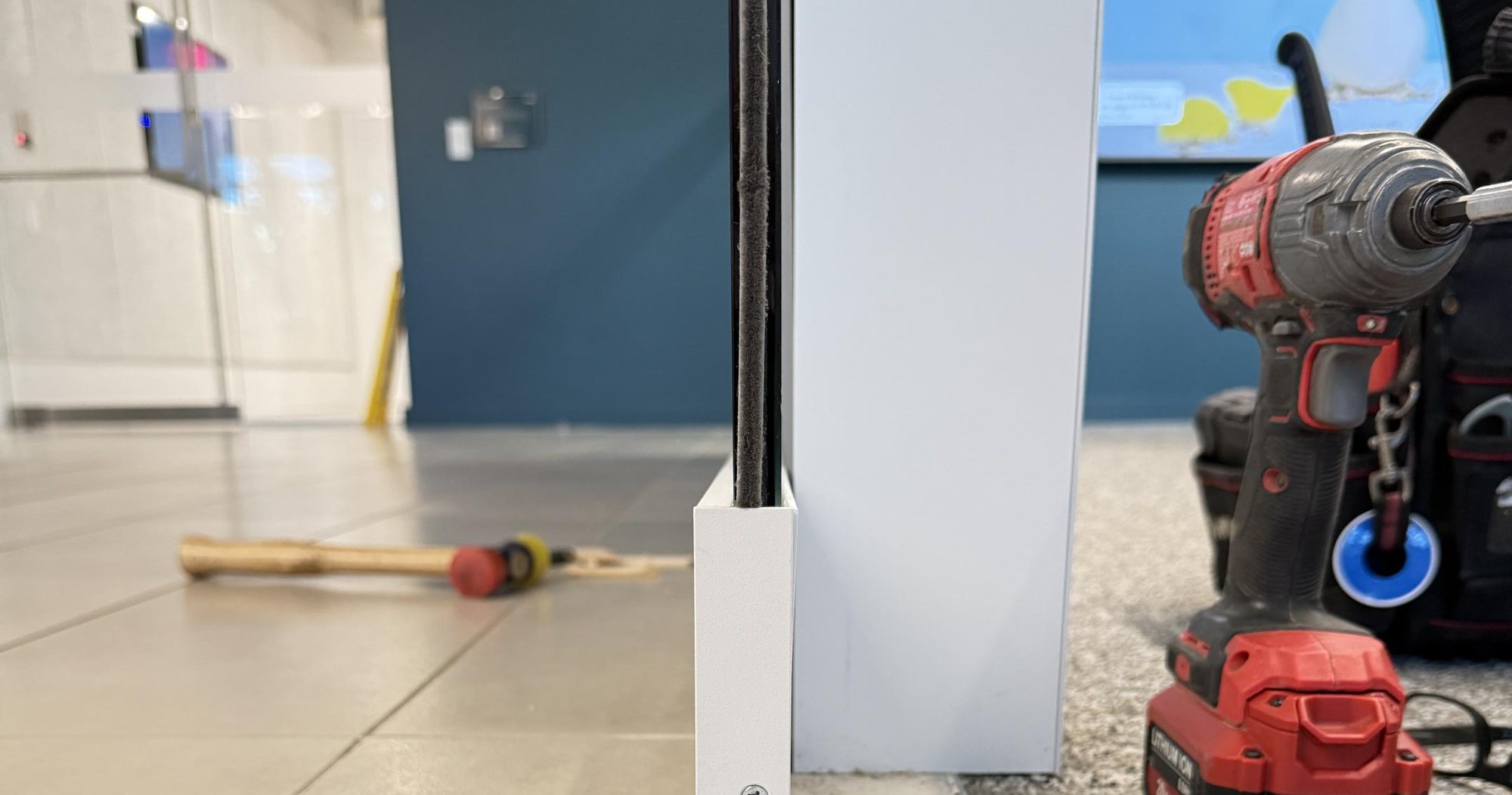
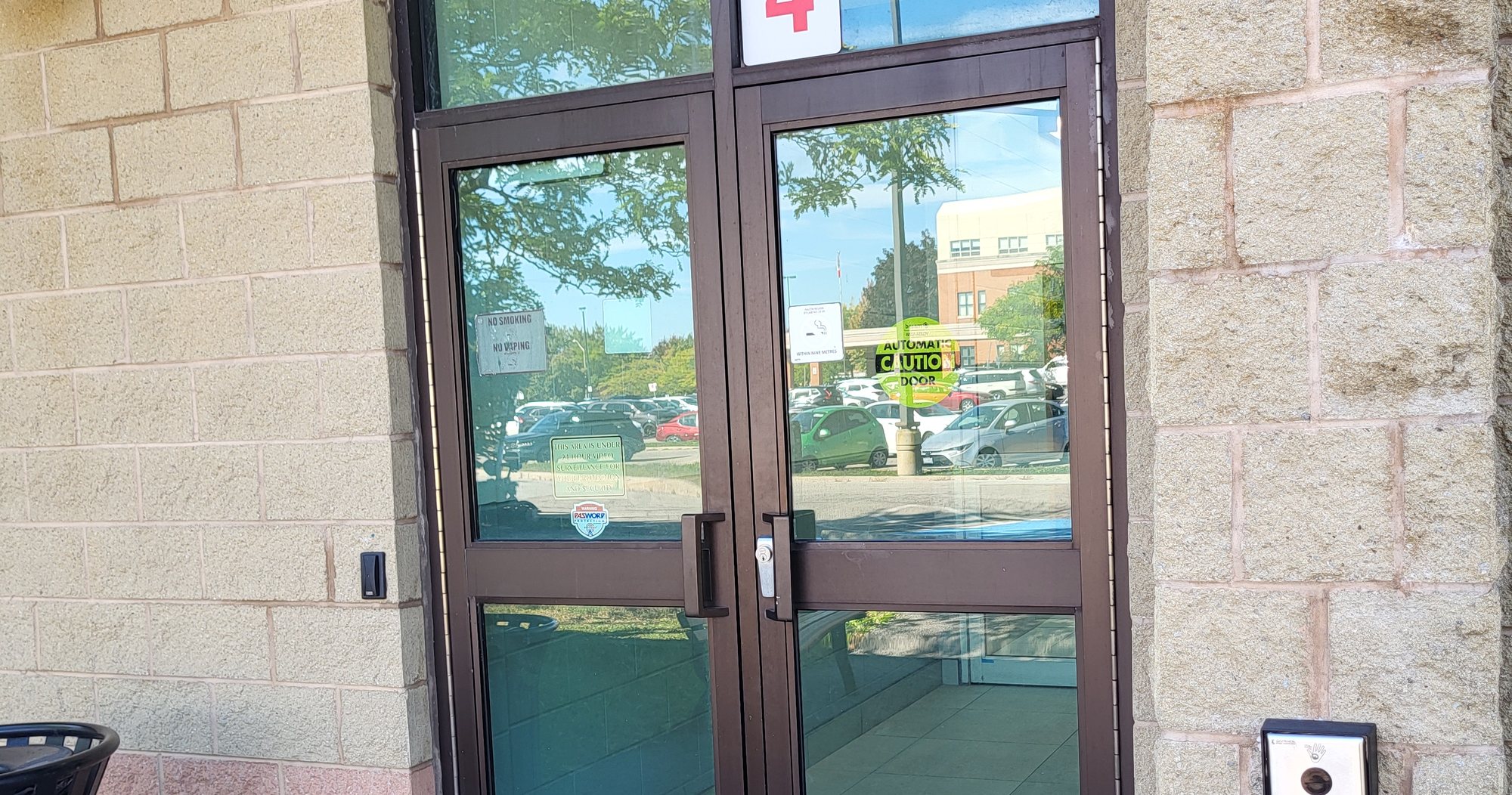
Photos from recent closer replacements and hydraulic speed adjustments.
Door Closer FAQ
Can a leaking door closer be repaired or refilled with oil?
What causes a door to close too slowly or stop before latching?
Are door closers required on all commercial fire doors?
Request Door Closer Service
Send us a photo of your door closer or broken arm assembly for an immediate replacement estimate.
Direct Phone Line:
(800) 000-0000Monday – Friday: 8:00 AM – 5:00 PM | After-hours service available by arrangement.
Request Rapid Quote
Guaranteed response within 1 business day.